Activate Flash
plug-in or
JavaScript and reload to view the Aristotle, Online Learning.
Double-click
on any word to see the explanation.
Aristotle. 384-22 BC. Greek philosopher.
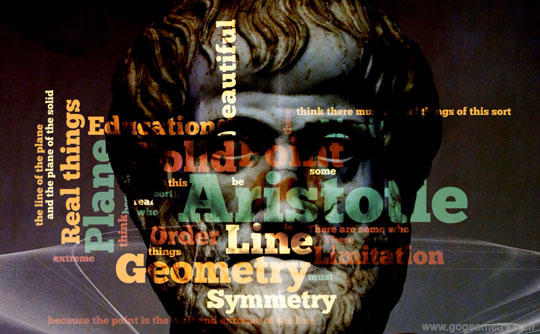
"There are some who, because the point
is the limit and extreme of the
line, the line of the plane, and the plane of the
solid, think there must be real
things of this sort."
"We do not know a truth without knowing its
cause."
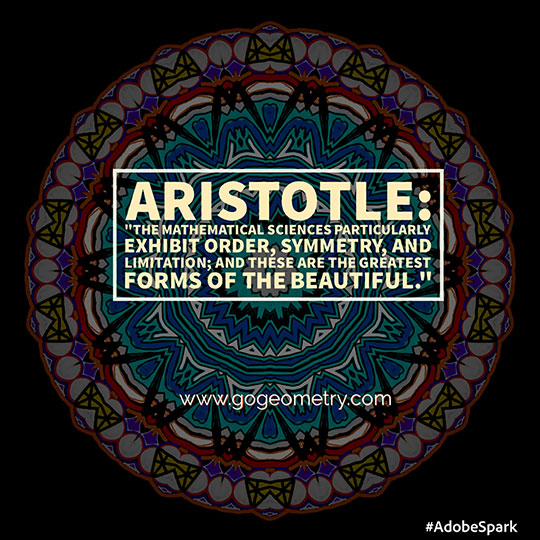
"The mathematical sciences particularly
exhibit order, symmetry, and
limitation; and these are the greatest forms of the beautiful."

"Education is the best provision for the journey to old age."
"Pleasure in the job puts perfection in the work."
From the Publisher:
Aristotle’s Nicomachean Ethics is the first systematic treatise on ethics, and two millennia after it was written, it is still among the best. It speaks to human beings about themselves and their relations to others as clearly, forcefully, and systematically today as it did when it was written. It would also be hard to over estimate its historical importance. Virtually every moral philosopher has to deal with the issues grappled with in the Nicomachean Ethics, and many of the positions argued for by Aristotle have been adopted, sometimes in an almost wholesale fashion, by other philosophers.