Machu Picchu, Cuzco, the Lost City of the Incas
Enigmatic heights,
Machu Picchu, Inca's crown,
Cusco's ancient heart.
Lost city, found in our souls,
Mystic whispers, time unfolds.
|
|
 |
From Machu Picchu to MIT: A Geometric Echo of Einstein in Guennette |
|
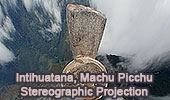 |
Geometric Art: Intihuatana, Machu Picchu, Stereographic Projection. |
|
 |
Geometric
Art: Etching of Machu Picchu using iPad Apps |
|
 |
Parallelogram on blurred background of Machu Picchu. |
|
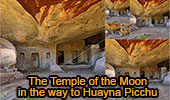 |
Temple of the Moon, Huayna Picchu, Cusco. Golden Rectangles, iPad Apps. |
|
 |
Who Found
Machu Picchu?.
Detailed investigations by a US historian have revealed that Machu Picchu was, in fact, discovered over 40 years earlier by a German businessman.
|
|
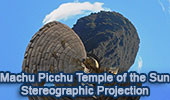 |
Machu Picchu Art, Temple of the Sun, Stereographic projection.. |
|
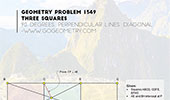 |
Typography of Geometry Problem 1349 with Machu Picchu in the background. |
|
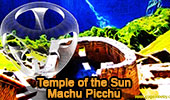 |
Geometry Art:
Temple of the Sun, Machu Picchu. |
|
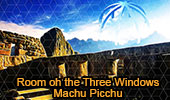 |
Geometry Art: Room of the Three Windows, Machu Picchu. |
|
 |
Geometry in the Real World: Machu Picchu. iPad Apps: Matter and Photoshop Touch. |
|
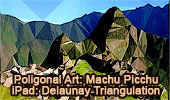 |
Machu Picchu and Delaunay Triangulation Art, iPad Apps: Poly.
Polygonal Art Illustration. |
|
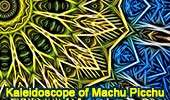 |
Geometric Art: Kaleidoscope of Machu Picchu. iPad Apps. |
|
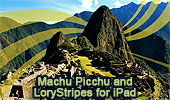 |
Machu
Picchu and iPad Apps: LoryStripes.
|
|
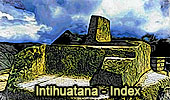 |
The Intihuatana at Machu Picchu - Index.
|
|
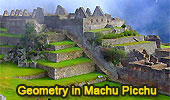 |
Geometry in Machu Picchu - Slideshow.
|
|
 |
Machu Picchu in the Morning.
The mystical appearance.
|
|
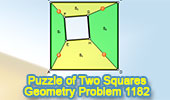 |
Jigsaw Puzzle:
Problem 1182: Two Squares and Machu Picchu.
35 Pieces. |
|
 |
Machu Picchu in the Morning.
The mystical appearance.
|
|
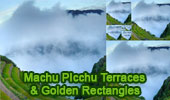 |
Machu Picchu Terraces.
Parts of Machu Picchu are covered agricultural terraces.
|
|
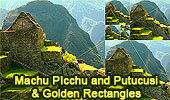 |
Machu Picchu and Putucusi.
|
|
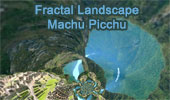 |
Fractal Landscape of Machu Picchu.
Cuzco, Peru. |
|
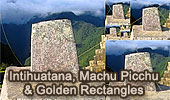 |
Machu Picchu,
the Intihuatana stone and Golden Rectangles.
HTML5 Animation for iPad and Nexus
Adobe Flash Animation
|
|
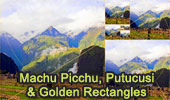 |
Machu Picchu, Putucusi and Golden Rectangles.
|
|
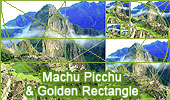 |
Machu Picchu and Golden Rectangle.
|
|
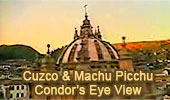 |
Cuzco and Machu Picchu Condor's Eye View.
|
|
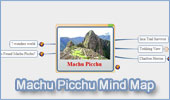 |
Machu Picchu
Interactive Mind Map
|
|
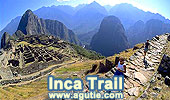 |
Survivor: the Inca Trail to Machu Picchu
by Doug Johnson
A slideshow based on the author's hike of the Inca Trail.
|
|
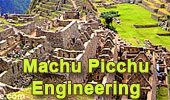 |
Machu Picchu:
Top Ten Feats of Man-Made Wonder, Picked by Structural Engineers
Machu Picchu picked by Leslie E. Robertson. the �minence grise of
American engineering. |
|
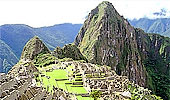 |
Machu Picchu,The Lost City of the Incas. |
|
 |
Machu Picchu Map.
Explore this interactive map
|
|
Go to Page: Previous | 1 |
2 |
3
|
Next
|
